
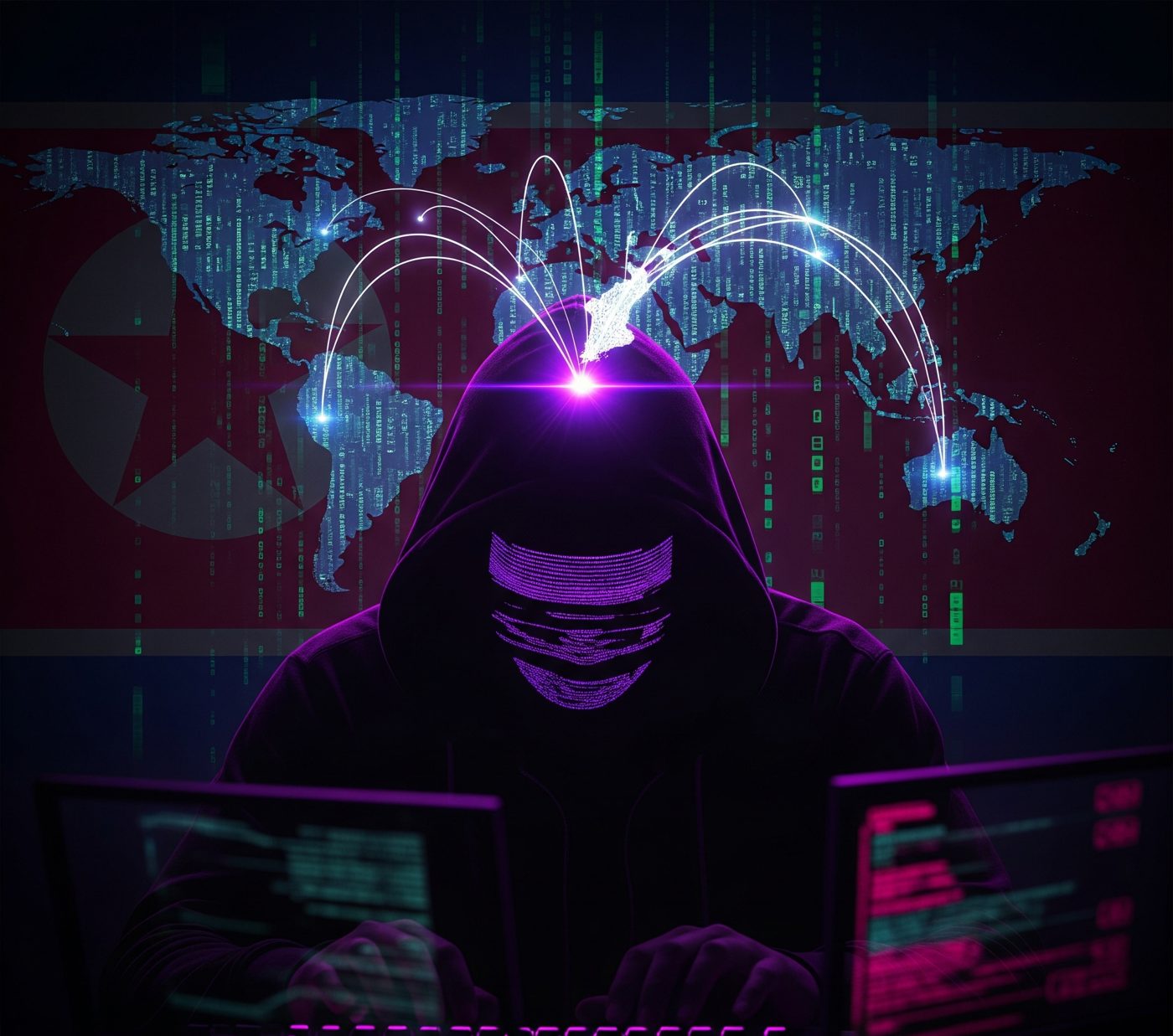
In the ever-evolving landscape of cyber threats, few names loom as large and menacingly as the Lazarus Group. This highly sophisticated and prolific hacking collective, widely believed to be a state-sponsored entity of North Korea, has become a formidable force on the global stage. Unlike many other state-sponsored groups focused purely on espionage, Lazarus has a unique and deeply concerning dual mandate: to conduct both cyber espionage and large-scale financial cybercrime.
Who is the Lazarus Group?
The Lazarus Group, also known by aliases like Guardians of Peace, APT38, and Hidden Cobra, is a cyber threat actor linked directly to the North Korean government’s Reconnaissance General Bureau (RGB). Active since at least 2009, the group’s operations have shown an alarming evolution from relatively unsophisticated distributed denial-of-service (DDoS) attacks to highly advanced, multi-stage cyber heists.
The group is reportedly composed of several subgroups, each with its own specialization. For example, BlueNoroff is a subgroup focused almost exclusively on financial cybercrime, targeting banks and cryptocurrency exchanges. Another subgroup, Andariel, is known for its cyber-espionage and ransomware operations, particularly against South Korean organizations. This specialization allows the group to execute a wide range of attacks with chilling efficiency.
A History of High-Profile Attacks
The Lazarus Group’s resume of destruction is extensive and spans over a decade of high-profile incidents. Some of their most notable attacks include:
- Operation Troy (2009-2012): One of their earliest known campaigns, this was a series of unsophisticated DDoS attacks targeting South Korean government and financial websites. It marked the beginning of their digital aggression.
- The Sony Pictures Hack (2014): This attack, which brought Lazarus Group to international infamy, saw them breach Sony Pictures and leak a massive trove of sensitive data, including unreleased films, employee emails, and personal information. The hack, which was a response to the film “The Interview,” demonstrated the group’s willingness to use cyber attacks for political and retaliatory purposes.
- The Bangladesh Bank Heist (2016): In one of the most audacious bank robberies in history, the group attempted to steal nearly $1 billion from Bangladesh’s central bank via the SWIFT network. A typo in one of the fraudulent transfer requests, however, led to the theft of “only” $81 million, though the incident highlighted their growing focus on financial crime.
- WannaCry Ransomware (2017): This global ransomware attack infected over 200,000 computers in 150 countries, causing an estimated billions of dollars in damage. Security experts, including Microsoft’s president, attributed the attack to the Lazarus Group, who reportedly used a vulnerability developed by the U.S. National Security Agency.
- Cryptocurrency Thefts: In recent years, the Lazarus Group has shifted its focus heavily toward the lucrative world of cryptocurrency. They have been linked to numerous heists, including the theft of $600 million from the Ronin Network in 2022 and the $100 million theft from Harmony’s Horizon bridge. These funds are believed to be a critical source of revenue for the North Korean regime, funding its weapons and nuclear programs.
The Financial Lifeline
The reason behind Lazarus Group’s dual focus is rooted in North Korea’s economic reality. Isolated by international sanctions and struggling with a fragile economy, the regime has turned to cybercrime as a primary source of income. The billions of dollars stolen from banks and cryptocurrency exchanges are funneled back to Pyongyang, providing a crucial financial lifeline that helps sustain the country’s military and development efforts.
How They Operate
Lazarus Group’s tactics are a blend of classic cybercrime and advanced persistent threat (APT) techniques. They often use highly effective social engineering, such as creating fake job offers on platforms like LinkedIn to trick developers into downloading malicious files. They are also known for their use of custom-built malware, command-and-control infrastructure, and a methodical approach that allows them to remain undetected in a network for months or even years.
The Continuing Threat
As technology evolves, so too does the Lazarus Group. They are constantly adapting their methods, targeting new sectors, and developing new malware to bypass security measures. Their operations serve as a stark reminder of the convergence of nation-state interests and organized cybercrime, and the unique and persistent threat that North Korea poses in the digital realm. Staying ahead of the Lazarus Group requires constant vigilance and a collaborative effort from cybersecurity professionals, governments, and individuals alike.